
April is the perfect time to reset your financial goals and build smarter habits. As the year moves forward, reviewing your budget and building smarter habits can set a strong foundation for the months ahead.
From budget planning to managing spending money on festivals, with small financial adjustments, can make a big difference later. This April, start with strong financial habits, clarity, discipline, and commitment to your financial goals, and watch your transformation throughout the year.
In this blog, we shall discuss the top 10 Simple Money Habits to start this April, which can reduce your stress, help you to stay in control, and grow wealth.
Table of Contents
1. What Matters Most: Financial Priorities
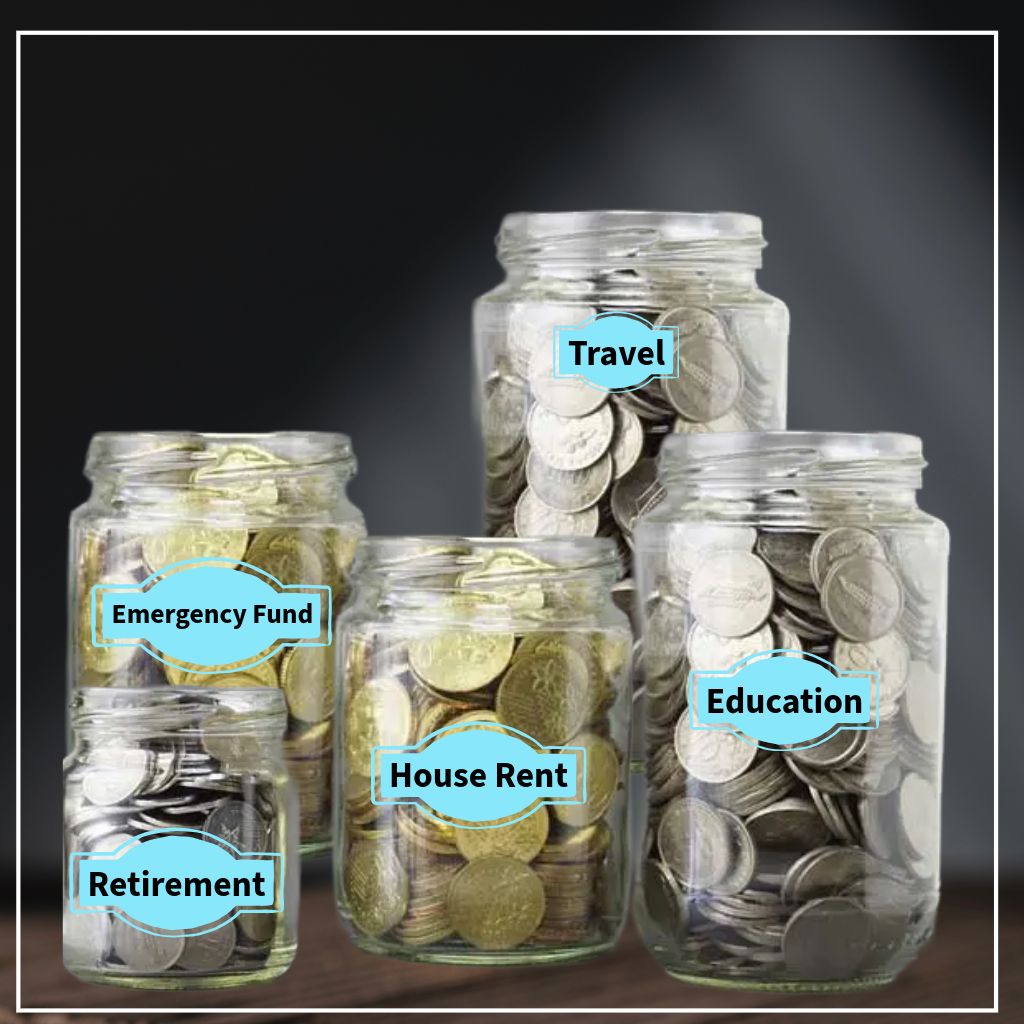
One should understand before spending or investing what matters most in your financial life so that you can avoid sudden decisions and stay aligned with your goals.
- Identify short-term and long-term goals.
- Align monthly expenses with your core goals.
- Complete any payment before spending.
2. Monthly or Weekly Budget Planning
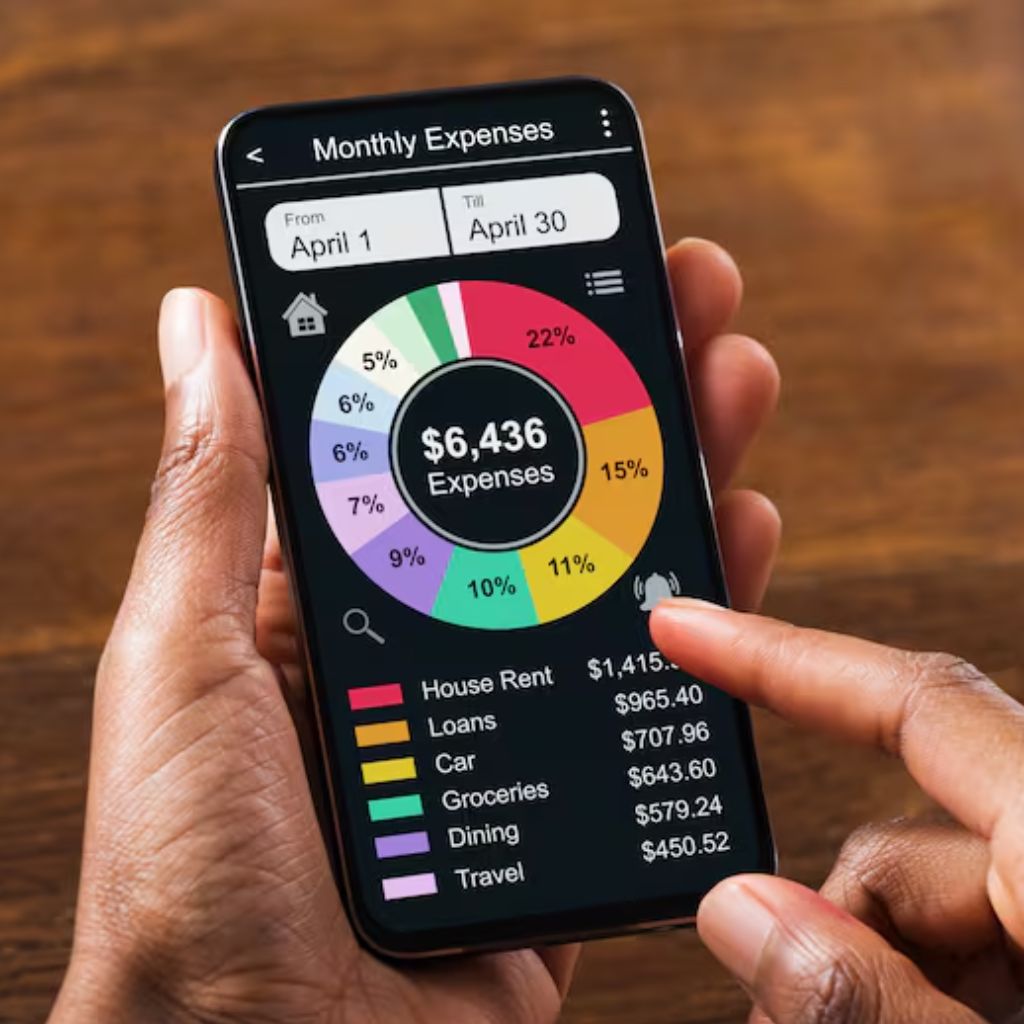
Budget planning is the foundation of strong personal finance planning with a simple monthly or weekly budget. This helps to track cash flow and prevent overspending.
- Write down fixed expenses first.
- Review and adjust the budget as per need and want.
3. Keep an emergency fund every month
Any type of emergency can incur an unexpected expense, so one should ensure that they save at least 3-6 months of expenses gradually, even with a small amount.
4. Start Investing Early with Small Amounts
- You do not need a large sum to begin investments.
- Starting early allows compounding to work in your favor in the long run.
- One can begin with SIPs in mutual funds and invest more as income grows.

5. Everyday expenses: Use Cashback or rewards
- Use credit cards wisely for rewards, but pay bills in full.
- Compare UPIs or wallet cashback offers before paying.
- Check for any sales going on to compare spending.
6. Habit to cook at Home: Avoid Dining Out Daily
Eating out looks classy, but it drains your wallet quietly. Cooking food at home is not only a healthier option but also as economical as buying a cup of coffee.
- Plan meals to avoid last-minute takeout.
- Carry a homemade lunch to work.
- Visit restaurants on special occasions or once in a month.

7. Plan Festival expenses in India
India is a land of festivals, and often involves significant spending money. Without planning festival expenses in India, the joyful occasions can strain your finances. When you plan festival expenses in India wisely, celebrations remain happy without any financial stress.
- Create a separate festival fund in advance.
- Look for festival sales and discounts.
8. Invest in the Economic Awareness Zone
Financial growth begins with its proper understanding and knowledge. The more you are informed, the more confident your money decisions are, and the smarter investment decisions you can take.
- Follow RBI updates, financial news, and other economic awareness zones on a daily or weekly basis.
- Read books, attend webinars, or listen to podcasts on personal finance planning.

9. Guide your spending: Use the 50/30/20 Rule
The 50/30/20 rule is a simple budgeting formula that keeps expenses and savings balanced and easy to manage. This method not only ensures priority but also helps in planning the future.
One should follow this rule on:
- 50% of income for needs: rent, bills, daily groceries,
- 30% for wants: shopping, dining out, entertainment, travelling
- 20% for investments and savings: SIPs, mutual funds, government bonds
10. Understand Tax Planning and Tax Saving Instruments
Tax planning in India plays an important role in personal and national development, strengthening personal finance planning. April is the start of a new financial year; hence, smart tax planning prevents last- minute stress in March and improves cash flow.
Stay Consistent with Small investment Plans
Financial success does not require more money or big changes, but small, regular habits by staying consistent. This April, take one small step toward better personal finance planning.
Whether you are building an emergency fund, planning festival expenses in India, or improving your financial knowledge, the key lies in perfection and seizing opportunities.
Frequently Asked Questions about Money Habits in India
How much should I save each month?
According to financial experts, one should save atleast 20% of their earnings, but to start and stay consistent, one can start with 5%-10% as per their earnings.
What is the biggest mistake one can make while spending money on festivals?
The most common mistake one can make while spending money on festivals is not planning, which leads to overspending or buying without discounts or gift cards.
Is April a good month to start any personal finance planning?
Yes, April is the first month of the financial year for setting any financial goals, reviewing budgets, and starting a structured personal finance plan to achieve your goals.
What role does economic awareness play in financial growth?
Staying updated with financial news, RBI policies, and market trends improves decision-making and helps you plan better investments.