
The arrival of the monsoon in India is much more than a seasonal event. While farmers eagerly await the rains for their crops, economists, businesses, and investors also keep a close eye on monsoon forecasts. The reason is simple: Why investors watch monsoon every year goes beyond weather it is closely linked to agriculture, inflation, consumer spending, corporate earnings, and the overall economy.
Although economy of India has become more diversified over the years, the monsoon continues to influence millions of livelihoods. A good monsoon boosts rural incomes, encourages spending, and supports economic growth, while poor rainfall can affect crop production, increase food prices, and reduce consumer demand. This is why monsoon predictions remain an important indicator for investors.
Table of Contents
How Monsoon Affects the Economy: 10 Reasons
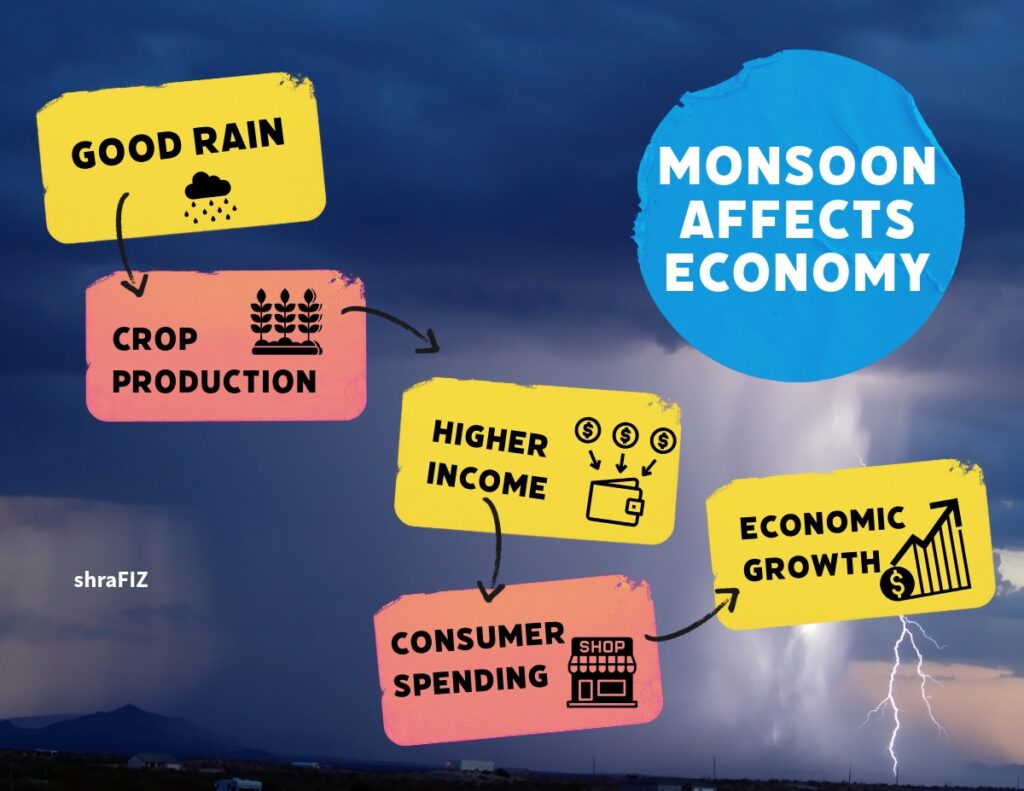
Understanding How monsoon affects the economy is essential because rainfall influences agriculture, rural income, consumer spending, and overall economic growth. Here are the key ways the monsoon impacts economy in India:
- Supports Agriculture: Nearly half of farmland still depends on rainfall, making a good monsoon crucial for healthy crop production.
- Boosts Rural Income: Better harvests increase farmers earnings, strengthening purchasing power in rural India.
- Drives Consumer Spending: Higher rural incomes lead to increased spending on smartphones, home appliances, clothing, two-wheelers, and household goods.
- Strengthens Business Growth: Sectors like FMCG, automobiles, fertilizers, banking, and retail benefit from improved rural demand.
- Controls Food Inflation: Good crop yields help stabilize food prices, reducing inflation and supporting household budgets.
- Supports Economic Growth: Strong agricultural performance contributes to the monsoon impact on GDP in India by encouraging consumption and production across industries.
- Encourages Festival Spending: Better rural incomes increase festival spending in India, benefiting retailers and small businesses during the festive season.
- Boosts Local Businesses: Increased demand during celebrations shows how festivals impact local economy, especially for local markets, artisans, transport services, and hospitality.
- Improves Investor Confidence: Positive rainfall forecasts strengthen market sentiment, explaining Why investors watch monsoon every year.
- Poor Monsoon Creates Challenges: Delayed or deficient rainfall can reduce agricultural output, raise food prices, lower rural demand, and slow overall economic activity.
Monsoon Impact on GDP in India
The monsoon impact on GDP in India extends far beyond agriculture. Although agriculture contributes a smaller share to India’s GDP today than it did decades ago, it still supports a significant portion of the population and influences rural consumption.
A successful monsoon strengthens demand for products such as fertilizers, tractors, irrigation equipment, seeds, consumer goods, automobiles, and banking services. Good harvests also help stabilize food prices, keeping inflation under control and supporting consumer confidence.
Healthy agricultural production reduces dependence on food imports and can improve exports of agricultural products, contributing positively to economic growth. This is one of the key reasons investors carefully monitor weather forecasts issued by the India Meteorological Department (IMD) every year.
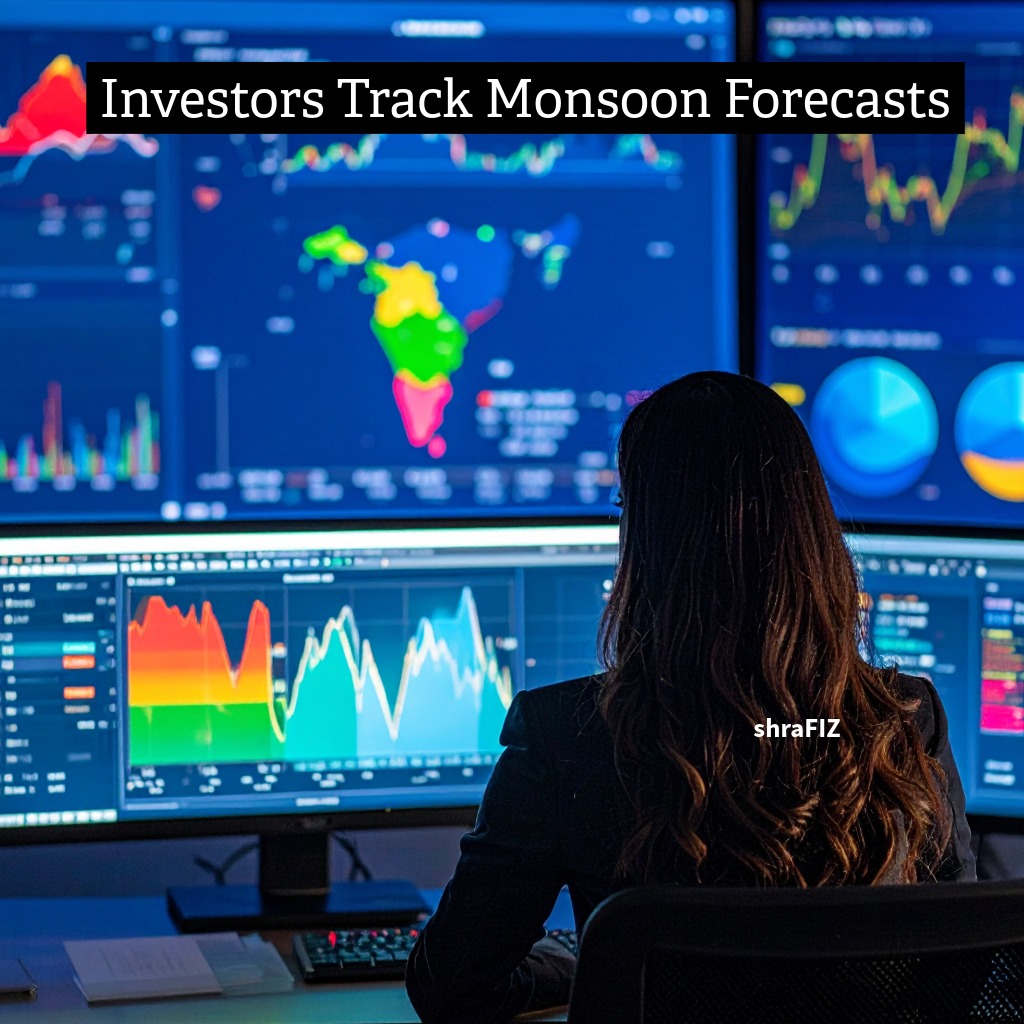
Why Investors Watch Monsoon Forecasts?
So, Why investors watch monsoon forecasts so closely? Here are the key reasons:
- Predicts Rural Demand: A good monsoon increases farm income, leading to higher spending in rural markets.
- Influences Corporate Earnings: Companies in fertilizers, seeds, tractors, irrigation, FMCG, automobiles, textiles, and rural banking often benefit from a strong monsoon.
- Impacts Stock Market Sentiment: Positive monsoon forecasts improve investor confidence and can support market performance.
- Controls Inflation: Good rainfall boosts crop production, helping keep food prices stable and reducing inflationary pressure.
- Supports Economic Growth: A healthy monsoon contributes to the monsoon impact on GDP in India by strengthening agriculture, consumption, and business activity.
- Boosts Festival Spending: Higher rural incomes encourage festival spending in India, increasing sales across retail, consumer goods, and e-commerce sectors.
- Benefits Local Businesses: Increased festive demand shows how festivals impact local economy, supporting retailers, artisans, transport, and hospitality businesses.
- Reflects Consumer Confidence: Strong rural purchasing power often signals healthier demand across multiple industries.
- Provides Economic Insights: Understanding How monsoon affects the economy helps investors evaluate market trends and sector performance.
- Long-Term Investing Still Matters: While monsoon forecasts are important, successful investing depends on company fundamentals, diversification, and disciplined long-term investing not seasonal factors alone.
Monsoon, Festivals, and Consumer Spending
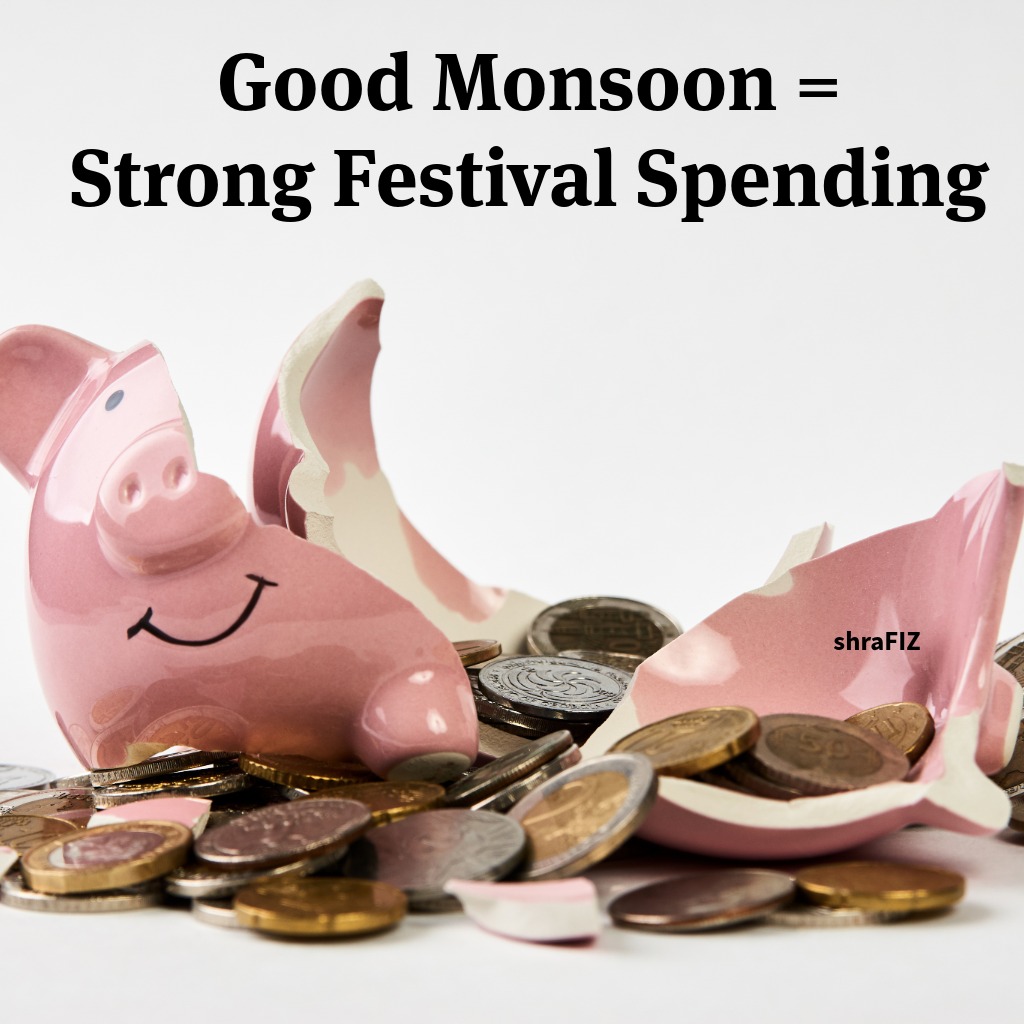
The monsoon season also marks the beginning of India’s festive period. Festivals such as Raksha Bandhan, Janmashtami, Ganesh Chaturthi, Onam, Navratri, Dussehra, Diwali, and Pongal generate significant consumer demand across the country.
This is why festival spending in India often increases after a successful agricultural season. Higher rural incomes encourage families to purchase new clothes, jewellery, electronics, vehicles, home décor, and gifts during celebrations.
The connection between agriculture and festivals clearly shows how festivals impact local economy. Increased spending benefits retailers, artisans, transport operators, hotels, restaurants, local manufacturers, and small businesses. Strong festive demand also improves sales for many listed companies, making this period especially important for investors tracking consumer trends.
India’s vibrant celebrations are among the most cherished cultural festivals of India. Beyond preserving heritage and traditions, these festivals contribute significantly to tourism, local employment, and economic activity. They truly represent some of the finest living traditions of the world, where culture and commerce thrive together.
Financial Planning During the Festive Season
Festivals bring joy, but they also come with additional expenses. Learning to plan festival expenses India can help families celebrate without putting unnecessary pressure on their finances.
Creating a festival budget, saving throughout the year, avoiding impulsive purchases, and limiting debt are practical financial habits. These same principles apply to investing as well. Successful investors focus on planning, consistency, and long-term wealth creation instead of reacting emotionally to short-term market movements.
Investing Requires Patience and Discipline
Successful investing is not about predicting every market movement it is about staying disciplined over time.
Developing healthy daily self care routines, such as exercising regularly, getting enough sleep, managing stress, and maintaining emotional balance, can also improve financial decision-making. Investors who remain calm during market volatility are often better equipped to make rational investment choices.
Many experienced investors believe that time is a bliss when combined with patience and the power of compounding. Staying invested for the long term generally produces better results than trying to predict every seasonal event, including the monsoon.
If you are looking to improve your financial knowledge, reading some of the best books to learn investing can be a great starting point. Classics like The Intelligent Investor by Benjamin Graham, One Up on Wall Street by Peter Lynch, and The Psychology of Money by Morgan Housel offer timeless lessons on building wealth through disciplined investing.
The Role of Monsoon in Smart Investing
The Indian monsoon is more than a weather event it is a key economic indicator that shapes agriculture, inflation, rural income, and consumer spending. Understanding How monsoon affects the economy helps explain Why investors watch monsoon forecasts each year. A good monsoon boosts rural demand, increases festival spending in India, supports businesses, and positively influences the monsoon impact on GDP in India. While seasonal trends provide useful insights, successful investing ultimately depends on strong fundamentals, disciplined financial planning, continuous learning, and a long-term perspective rather than short-term weather-driven market movements.
Frequently Asked Question related to Investment and Monsoon
-
Why do investors watch the monsoon every year?
Investors closely monitor monsoon forecasts because rainfall affects agriculture, rural income, consumer spending, inflation, and corporate earnings.
-
How do festivals impact the local economy after a good monsoon?
A successful monsoon increases rural income, leading to higher festival spending in India. This demonstrates by boosting sales for retailers, artisans, transport services, hospitality, and small businesses during India’s festive season.
-
Can monsoon forecasts influence the Indian stock market?
Yes. Positive monsoon forecasts often improve investor sentiment because they indicate stronger agricultural output, better rural consumption, and stable inflation.