
Diwali is one of the most celebrated Hindu cultural festivals in India, symbolising prosperity, happiness, and new beginnings. Festive shopping, home decorations, travel, and family gatherings can increase household expenses.
From purchasing gold on Dhanteras to exchanging gifts and celebrating with family, the festive season brings excitement and opportunities to plan for the future. Many people consider Diwali an auspicious time to begin investing, making it an ideal occasion to review financial priorities and build better money habits.
Without a clear plan, these costs may affect your savings and long-term financial goals. This is why festival budget planning is essential for enjoying 5 days of festivals, Diwali without unnecessary financial pressure.
5 Investment Ideas for Diwali 2026: One must consider these
Disclaimer: This article is for educational purposes only and does not constitute personalised financial advice. Investment returns, interest rates, tax treatment, and scheme eligibility may change. Research official terms and consult a qualified financial adviser before investing.
1. Explore Gold, Silver, and Copper Investments

Gold has long been associated with wealth and prosperity in Indian traditions. Many families purchase gold during Diwali and Dhanteras, but it can also be considered as part of a diversified investment portfolio. Depending on your preferences, you can explore physical gold, gold exchange-traded funds (ETFs), or other eligible investment avenues.
Silver offers another option for diversification, while copper attracts attention because of its use in construction, manufacturing, and renewable energy infrastructure. However, these metals have different market drivers and risk profiles. Gold and silver prices can fluctuate, while copper prices are particularly sensitive to industrial demand.
Before investing, compare transaction costs, liquidity, storage requirements, and price volatility. Avoid investing your entire festive budget in metals, and remember that past price performance does not guarantee future returns.
2. Focus on Long Term Wealth Creation
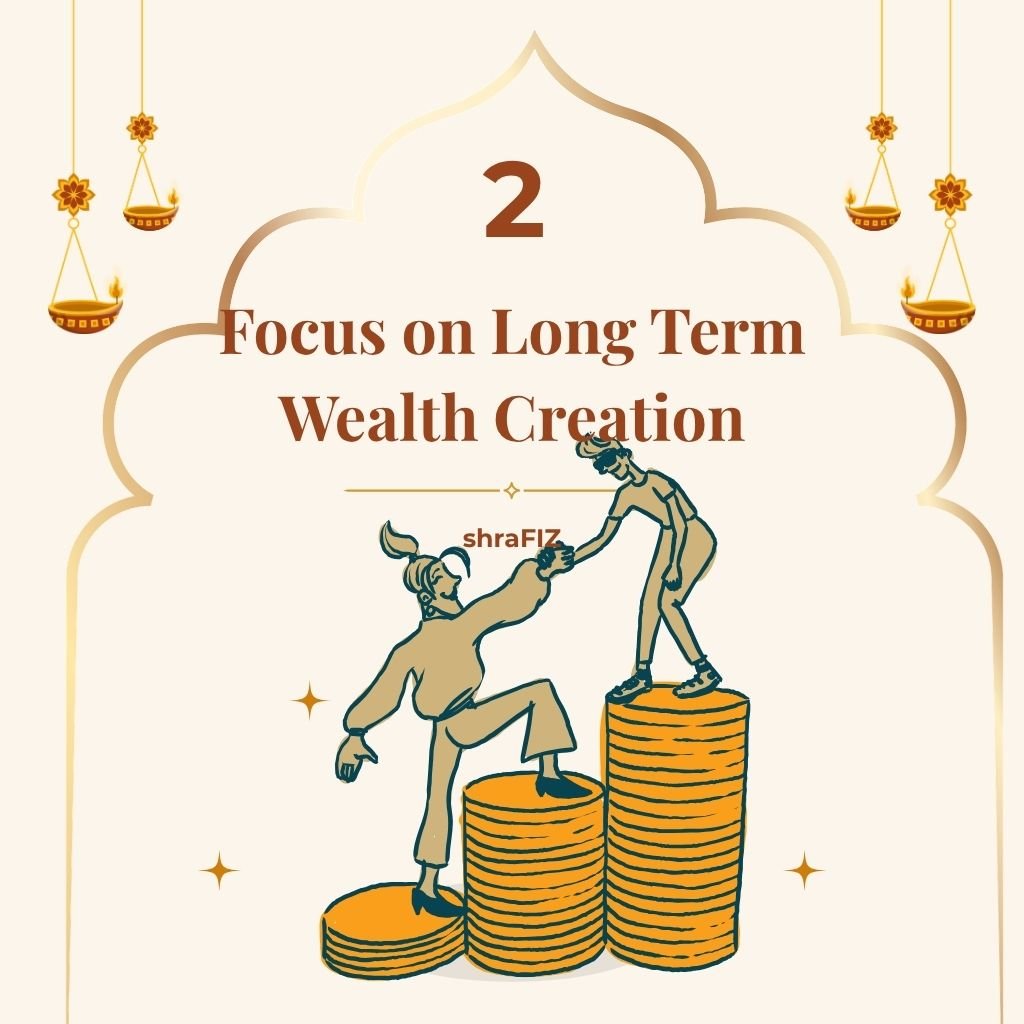
Building wealth requires patience, consistency, and a clear strategy. Rather than chasing short-term market movements during Diwali, consider investments that align with your long-term objectives.
Diversified mutual funds and index funds may provide exposure to equity markets, while suitable debt investments can serve different portfolio needs. Equity investments carry market risk and can experience significant declines, particularly over shorter periods. Therefore, choose investments based on your financial situation and the time available before you need the money.
A useful investing tip is to diversify rather than depend on a single asset or investment product. Review your portfolio at regular intervals, avoid making decisions based on rumours, and continue investing according to a realistic plan. Long-term wealth creation is generally a gradual process, not an outcome of one festive-season investment.
3. Compare PPF and Fixed Deposits

If you prefer structured savings, Public Provident Fund and bank fixed deposits are worth comparing. PPF is a government-backed savings scheme with a 15 year maturity period, subject to applicable rules. It may be suitable for long-term goals such as retirement and offers tax benefits according to the prevailing eligibility and tax regime.
Fixed deposits allow you to choose from different tenures and may suit planned expenses or relatively conservative savings goals. However, premature withdrawals may attract penalties, and interest income may be taxable depending on applicable rules.
Before investing, compare current interest rates, lock-in periods, liquidity, taxation, and withdrawal conditions. Select an option based on your financial goals rather than festive promotions or assumptions about returns.
4. Build an Emergency Fund for Financial Security
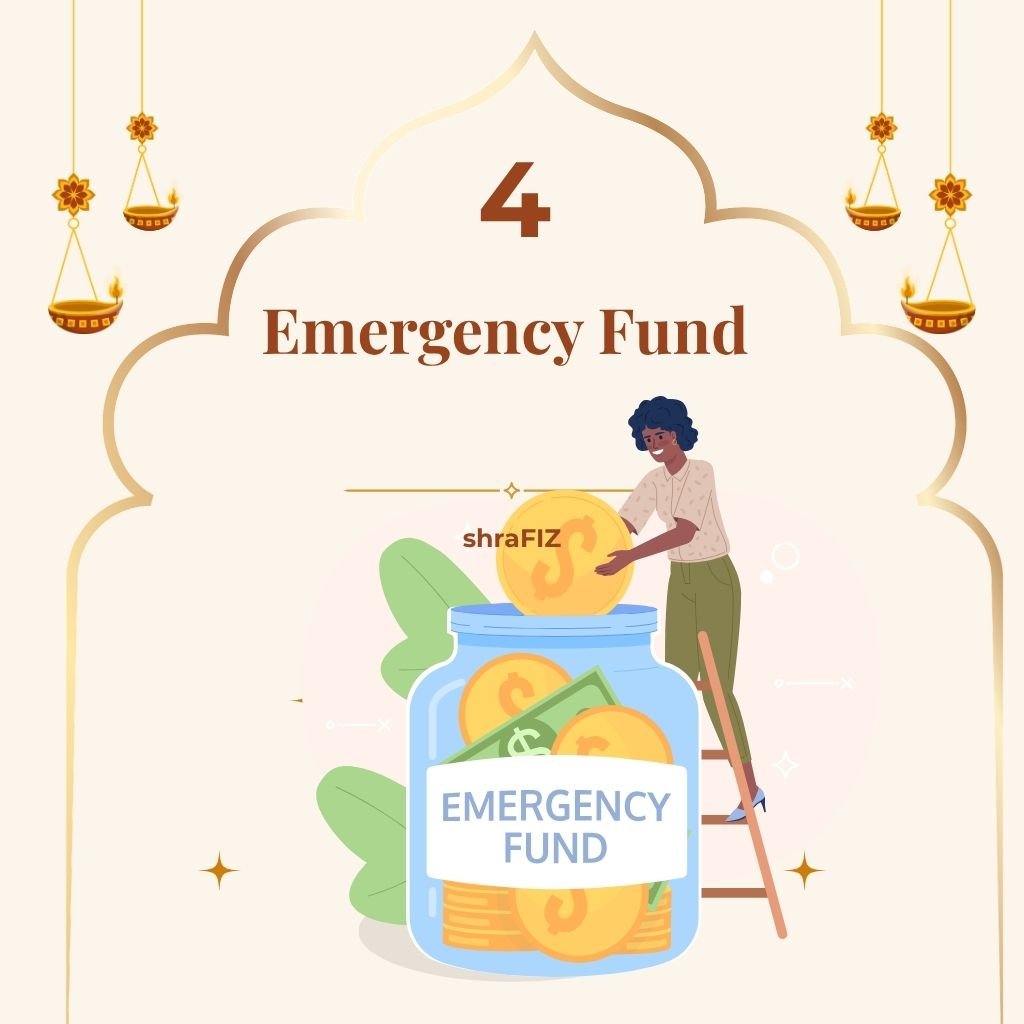
An emergency fund is an essential foundation of a healthy financial plan. Unexpected medical bills, job changes, urgent home repairs, or family emergencies can create financial stress when accessible savings are unavailable.
Ideally, work towards saving three to six months of essential living expenses, adjusting the target according to your income stability and family responsibilities. Keep this money in accessible options, such as a suitable savings account or other low-risk, liquid arrangements. Avoid placing emergency savings in volatile investments that may lose value when you need cash.
To make your savings budget-friendly, set aside a fixed amount every month, limit unnecessary festive purchases, and use any surplus funds thoughtfully. Establishing an emergency fund before increasing higher-risk investments can help protect your financial stability.
5. Plan for Retirement and Your Children Future

Financial planning becomes more effective when you invest with specific goals in mind. Retirement savings can help you maintain financial independence later in life, while investments for children can support education, higher studies, or other important milestones.
Options such as the National Pension System (NPS), Public Provident Fund (PPF), and suitable mutual funds may be worth exploring, depending on eligibility, risk tolerance, and investment duration. For children’s goals, begin by estimating future expenses and the number of years available to accumulate the required amount.
One of the most practical investing tips and tricks is to invest regularly instead of waiting for a large amount to become available. Monthly contributions can help build discipline and reduce reliance on last-minute financial decisions. Review your investments periodically to ensure they remain aligned with your family’s changing needs.
Make Diwali 2026 a Step Towards Financial Prosperity
Diwali is a celebration of new beginnings, making it a meaningful time to strengthen your financial habits. Whether you invest in gold or silver, plan for retirement and children education, pursue long-term wealth creation, compare PPF and fixed deposits, or build an emergency fund, choose options that suit your goals and circumstances.
Effective festival budget planning allows you to enjoy celebrations without neglecting future responsibilities. Apply practical festival saving tips, avoid unnecessary debt, and invest consistently throughout the year. Ultimately, financial prosperity comes from informed choices, realistic expectations, and disciplined money management.
Frequently Asked Questions for investment ideas
-
Which investments should I consider during Diwali 2026?
You can explore gold, silver, mutual funds, PPF, fixed deposits, and retirement-oriented investments. The right option depends on your financial goals, risk tolerance, and investment horizon.
-
What is better for long-term savings: PPF or fixed deposits?
PPF may suit long-term goals because of its extended maturity period, while fixed deposits offer different tenures and potentially easier access to funds. Compare current rates, tax implications, and withdrawal rules before deciding.
-
How much money should I invest during Diwali?
There is no universal amount. Cover essential expenses, manage high-interest debt, and establish emergency savings before investing an affordable amount towards your short-term and long-term goals.
-
How can I follow festival saving tips without compromising celebrations?
Set a spending limit, compare prices, prioritise essential purchases, avoid unnecessary borrowing, and allocate a portion of your available budget towards savings.